COVERAGE INSIGHTS
Understanding Insurance. Making Informed Decisions.
RISK FINANCE | COVERAGE EDUCATION
Every Organization Should Know
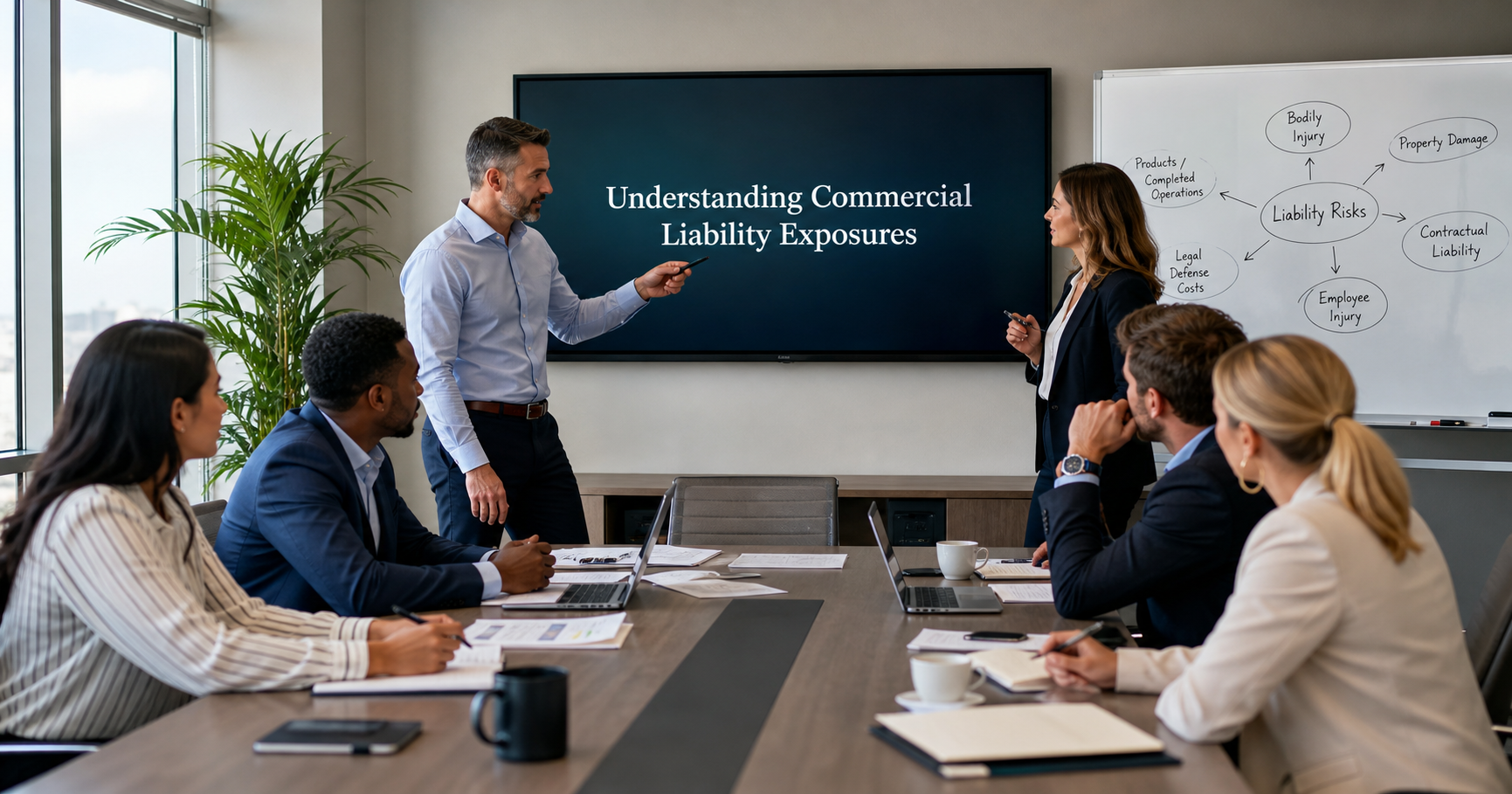
Almost every organization faces commercial liability exposures. A commercial liability loss exposure is a condition or situation that presents the possibility of an organization becoming legally and financially responsible for injury, harm or damage to another party.
These exposures stem from the kind of work an organization performs and where that work is executed. They also encompass other aspects of business-related circumstances, activities or events that could result in harm to a third party.
Read this article to better understand the most common types of commercial liability loss exposures and potential consequences and for guidance on how the correct insurance policy can reduce the risk to organizations.
Common Types of Commercial Liability Exposure to Know
There are five types of commercial liability exposure that every organization should know. Possible loss exposures that may affect an organization include the following:
Premises Liability
Premises liability describes the risk an organization faces if a customer or business partner is injured on the premises (e.g., tripping and hurting themselves at the store). Organizations that require customers or business partners to be physically present, such as retail stores and landlords, are particularly at risk for these losses and may be held liable for bodily injury or property damage.
Operational Liability
Operations liability exposure refers to the possibility that an organization will be held liable because of bodily injury or property damage that occurs as a result of their ongoing (as opposed to completed) operations. For example, imagine a contractor working on a customer’s home. During the course of their work, a team member from the contractor drops a tool, striking a passerby and causing bodily injury and property damage to the home itself.
Products Liability
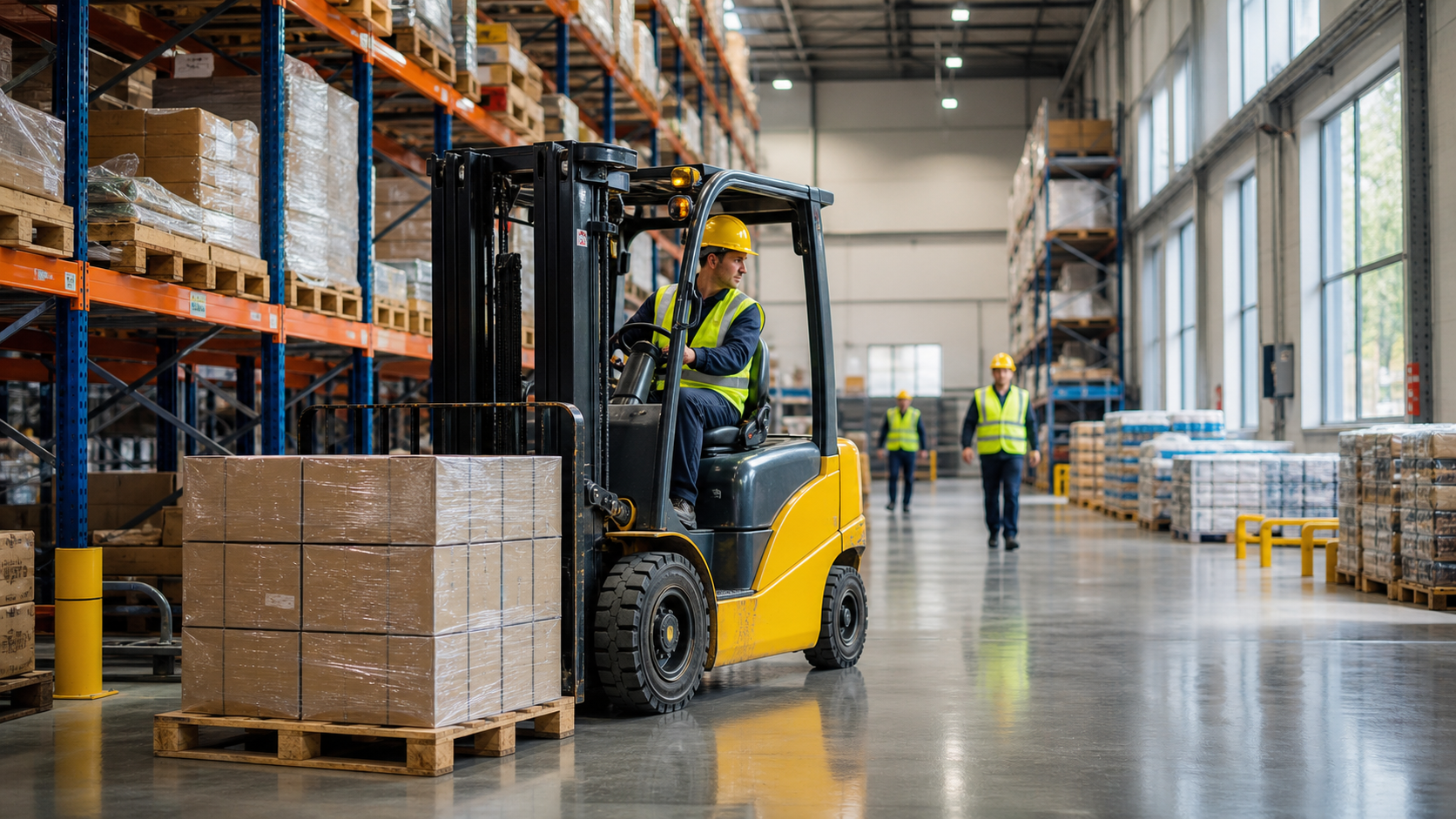
Products liability refers to the loss exposure an organization faces as a result of manufacturing, distributing or selling an unsafe or defective product. Any organization that makes or sells products is at risk. Associated injuries may occur virtually anywhere in the world once an organization’s products have been manufactured or sold.
Completed Operations Liability
The completed operations liability exposure refers to injuries or damages incurred by a third party due to work (including construction work) that has been finished, turned over to the purchaser or customer, and/or put to its intended use. For example, an electrical fire caused by faulty wiring at a completed construction project would represent a completed operations exposure for the contractor who completed the work. It should be noted that injuries or damages arising out of completed operations can occur after a business’s relationship with the injured party has ended.
Contractual Liability
Organizations take on contractual liability loss exposures when they enter into a contract. By agreeing to contractual terms, an organization becomes liable if the other parties involved in the contract believe an organization has not fulfilled its obligations under the agreement.
Potential Consequences of Liability Exposures
In the event of a commercial liability loss, organizations can face a variety of potential consequences, such as:
Damages: If a court deems an organization responsible for a loss, that organization may be held financially accountable for paying damages to the harmed or injured party.
Defense Costs: The organization may have to pay legal defense costs and the costs associated with the claim.
Reputational Harm: Due to general liability losses, organizations may experience reputational harm, including but not limited to the loss of business, decreased team member retention, and a loss of consumer loyalty and investor trust.
Although commercial liability loss exposures are a risk for every organization, the severity of the consequences can be alleviated with proper insurance policies.
Commercial Liability Insurance
No matter how careful an organization is, there will always be risks associated with commercial liability loss exposures. Therefore, the best way to protect an organization is to purchase commercial general liability coverage (CGL).
CGL policies are designed to cover an organization from liability claims for bodily injury and property damage to third parties. CGL policies have three standard coverages:
Bodily Injury and Property Damage
This coverage protects organizations from the legal liability arising from bodily injury and property damage stemming from an organization’s premises or operations.
Personal and Advertising Injury
This aspect of CGL policies protects insureds from liability stemming from accusations of libel, slander, false arrest, copyright infringement, malicious prosecution, theft of advertising ideas and invasion of privacy.
Medical Payments
Medical payments coverage includes payments for injuries sustained by third parties that are caused by an accident at the insured’s premises or the insured’s operations. Unlike bodily injury and property damage coverage, medical payments coverage can be triggered without legal action and is designed to settle smaller, less serious medical claims without litigation.
Actual coverage depends on the applicable policy’s terms, conditions, limits, and exclusions. These descriptions do not guarantee coverage for a particular claim.
Protect Team Members. Control Risk. Control the Cost of Risk.
HERE TO HELP | www.theholtgroupllc.com
This Coverage Insights is not intended to be exhaustive, nor should any discussion or opinions be construed as legal advice. Readers should contact legal counsel for appropriate advice. © Zywave, Inc., The Holt Group LLC All rights reserved. All images are from Google Images and Story Blocks. Revised 2026
.png?width=626&height=160&name=image%20(6).png)